

Today’s Theme: The Impact of Technology on Financial Learning

Explore how apps, AI, and interactive tools are transforming the way people understand money, investing, and financial decision-making. Dive in, share your experiences, and subscribe for fresh insights that make finance education engaging, practical, and accessible.

This is the heading

Lorem ipsum dolor sit amet, consectetur adipiscing elit. Ut elit tellus, luctus nec ullamcorper mattis, pulvinar dapibus leo.
This is the heading

Lorem ipsum dolor sit amet, consectetur adipiscing elit. Ut elit tellus, luctus nec ullamcorper mattis, pulvinar dapibus leo.

Personalized Pathways: Learning Finance at Your Pace

When you stumble on compound interest, an adaptive system can surface more visuals, slower examples, and targeted practice. Master something quickly, and it moves on. This responsive pacing feels like a private tutor, encouraging steady progress without overwhelming or boring learners.

Practice Makes Proficient: Simulations and Real-Time Financial Feeds

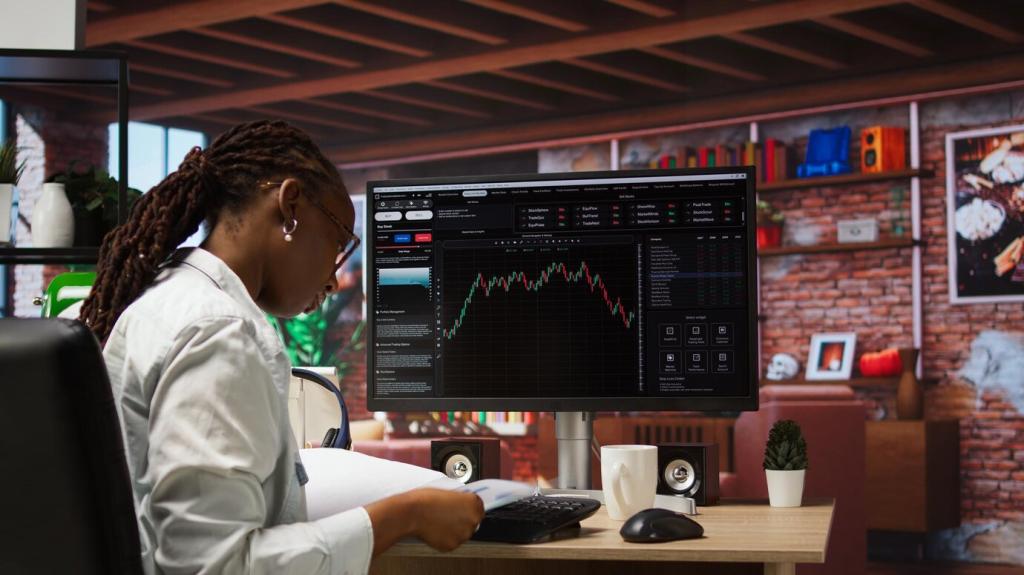
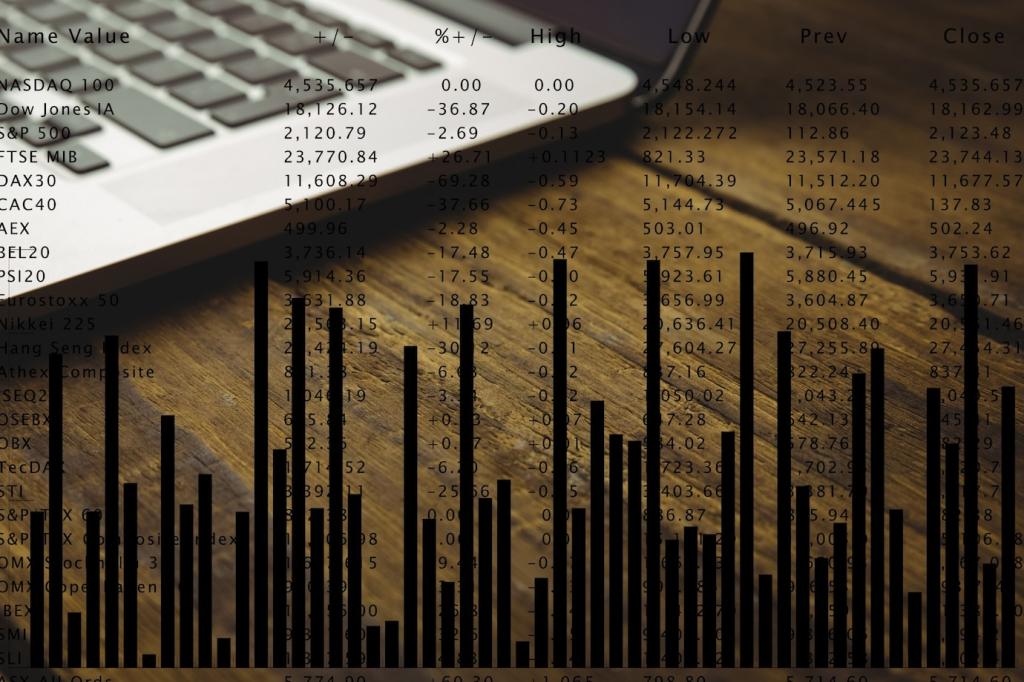
Simulators let learners test strategies without risking money, while real-time quotes reveal market dynamics. Watching spreads widen during volatility teaches execution risk better than charts alone. Encourage students to log decisions, reflect weekly, and discuss lessons publicly to strengthen accountability.

Learning Together: Communities That Accelerate Financial Growth

Study Hubs and Discussion Threads

Online groups transform solitary study into collaborative progress. Learners share templates, debate strategies, and troubleshoot mistakes. Moderated channels reduce misinformation, while weekly prompts keep momentum. Join our community and post your biggest breakthrough or most puzzling question this week.

Office Hours in Your Pocket

Livestream Q&As bring practitioners into virtual classrooms. A financial planner can model a retirement calculation live, then field questions about fees or risk. Recording sessions creates an accessible library that learners revisit before real decisions, reinforcing clarity when it matters most.

Global Perspectives, Local Decisions

Hearing how inflation, credit access, or remittances affect peers in other countries broadens understanding. Technology makes these conversations easy, reminding us that financial literacy is universal, yet deeply local. Share your regional money challenge in the comments and spark a helpful exchange.
Training That Builds Confidence
Professional development should go beyond button-clicking tutorials. Educators need practice scenarios, assessment rubrics, and troubleshooting playbooks. Pair veteran teachers with tech mentors, celebrate small wins, and encourage experimentation. Confident educators design richer learning journeys and model lifelong curiosity.
Curriculum That Integrates, Not Adds
Instead of stacking tools on top of lectures, weave technology into learning objectives. For example, teach risk tolerance, then use a portfolio simulator to adjust allocations and reflect. This alignment preserves clarity, reduces overload, and makes every click serve a meaningful purpose.
Assessments That Measure Real Understanding
Move beyond multiple-choice. Portfolios, reflections, and analytics can reveal how a learner applies concepts over time. Track budgeting habits, consistency in simulated trades, and quality of explanations. Invite students to critique their decisions publicly, building communication skills and intellectual honesty.

AI Tutors With Transparent Reasoning

Next-generation tutors will explain step-by-step logic, cite sources, and adapt tone to match learner confidence. Guardrails will prevent overreach and bias. Imagine asking, “Should I refinance?” and receiving an educational walkthrough, not advice—plus guiding questions that help you decide responsibly.

Immersive Scenarios in AR and VR

Picture walking through a 3D budget where categories surround you, or experiencing a simulated market crash to practice staying calm. Immersion strengthens emotional preparedness, a critical yet overlooked part of financial decision-making. Would you try a fear-free crash drill? Tell us why.
Benbshar
Privacy Overview

This website uses cookies so that we can provide you with the best user experience possible. Cookie information is stored in your browser and performs functions such as recognising you when you return to our website and helping our team to understand which sections of the website you find most interesting and useful.